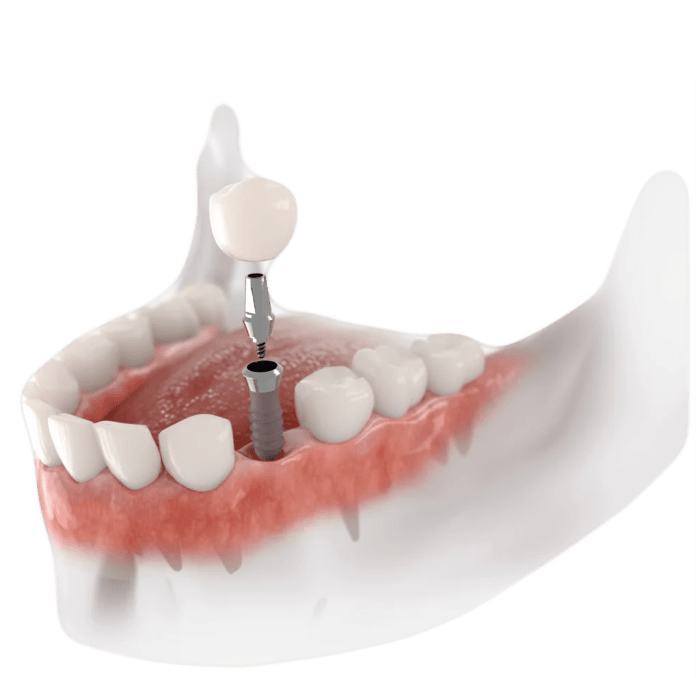
Overview of Dental Implants
Dental implants are artificial tooth roots made from biocompatible materials, designed to support replacement teeth or bridges. They play a crucial role in dentistry, providing a permanent solution for individuals who have lost teeth due to injury, disease, or decay. Unlike removable dentures, dental implants integrate with the jawbone, offering stability and enhancing bite function.There are several types of dental implants, including endosteal implants, which are placed directly into the jawbone, and subperiosteal implants, which sit above the jawbone but beneath the gum tissue.
Each type serves distinct purposes depending on the patient’s jawbone structure and overall oral health. According to recent studies, dental implants boast a success rate of over 95%, making them one of the most reliable options for tooth replacement.
The Dental Implant Procedure
The process of getting dental implants typically involves multiple steps, ensuring that the placement is secure and effective. Initially, a thorough examination is conducted, often including imaging tests like X-rays or CT scans to assess the bone structure. After this assessment, a treatment plan is devised.Preparation for the procedure includes ensuring good oral health, which might involve treating any existing dental issues.
Once ready, the procedure begins with the surgical placement of the implant into the jawbone. Following the surgery, the healing process can take several months as the implant integrates with the bone, a phase known as osseointegration. Patients can expect some swelling and discomfort post-surgery, but these symptoms usually subside within a week, and a follow-up appointment will be scheduled to monitor healing.
Benefits of Dental Implants
Choosing dental implants offers numerous advantages over other tooth replacement options, such as dentures or bridges. Some key benefits include:
- Enhanced appearance: Dental implants look and feel like natural teeth, improving aesthetics.
- Improved oral health: They do not require alteration of adjacent teeth, promoting better long-term health.
- Greater comfort: Dental implants eliminate the discomfort associated with removable dentures.
- Increased functionality: They restore full chewing ability, allowing for a varied diet.
- Longevity: With proper care, implants can last a lifetime, making them a cost-effective solution in the long run.
Dental implants can significantly enhance the quality of life for patients, allowing them to speak and eat without worry, and restoring their self-confidence.
Risks and Considerations, Dental implants
While dental implants are generally safe, there are potential risks and complications that patients should be aware of. These can include infection at the implant site, injury to surrounding teeth or blood vessels, and nerve damage, which can lead to pain or numbness.Several factors could affect a patient’s candidacy for dental implants, such as underlying health conditions, smoking habits, and the amount of jawbone available.
It is crucial for patients to undergo a comprehensive consultation and diagnostic imaging prior to the procedure to identify any possible concerns and to develop a tailored treatment plan.
Maintenance and Care for Dental Implants
Proper care and maintenance of dental implants are vital for ensuring their longevity and functionality. Here are some guidelines for patients:
- Maintain good oral hygiene by brushing and flossing daily.
- Use non-abrasive toothpaste to avoid damaging the implant surface.
- Visit the dentist regularly for check-ups and professional cleanings.
- Avoid smoking, as it can hinder healing and implant success.
Regular dental check-ups play a crucial role in monitoring the health of implants and addressing any issues promptly, ensuring they remain in optimal condition.
Cost of Dental Implants
The cost of dental implants can vary significantly based on various factors, including the type of implant, the complexity of the procedure, and the geographical location of the dental practice. On average, the cost of a single dental implant can range from $3,000 to $4,500, which may include the implant, abutment, and crown.When compared to other tooth replacement solutions like dentures or bridges, dental implants may appear more expensive upfront.
However, considering their durability and the reduced need for replacements, they prove to be a worthwhile investment in oral health. Patients should explore payment options and consult with their insurance providers to understand coverage for dental implants.
Innovations in Dental Implant Technology
Recent advancements in dental implant technology have significantly improved the procedures and outcomes. Innovations such as digital imaging and 3D printing are revolutionizing the way implants are designed and fitted. Digital imaging provides precise measurements, allowing for custom implants that fit perfectly with the patient’s anatomy.Moreover, 3D printing technology enables the rapid production of surgical guides for implant placement, enhancing accuracy and reducing surgery time.
Future trends suggest an increase in the use of biomaterials that promote quicker healing and better integration with the jawbone, potentially leading to even higher success rates for dental implants.
Patient Experiences and Testimonials
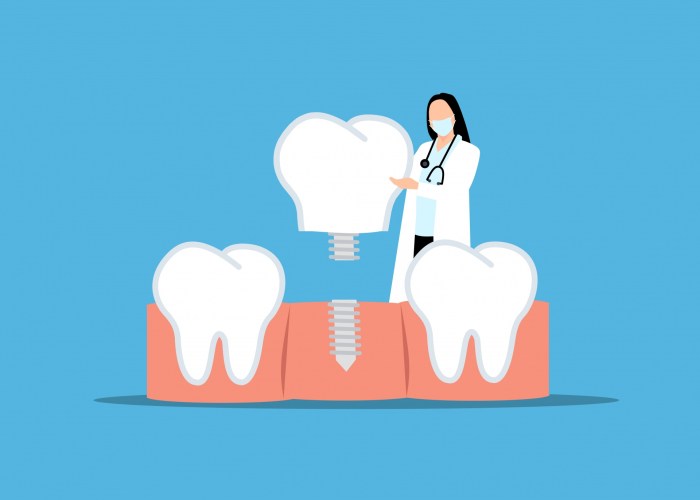
Real patient experiences with dental implants often highlight their satisfaction and quality of life improvements. Many individuals report a newfound confidence in their smiles and the ability to enjoy their favorite foods without discomfort. Common themes in testimonials include:
- Enhanced self-esteem and social interactions.
- Improved oral health and functionality.
- Positive experiences with the implant procedure itself, including minimal discomfort.
To summarize various patient perspectives, a comparison table can be created, showcasing the diverse experiences and satisfaction levels regarding the dental implant process, reinforcing the positive impact of implants on everyday life.