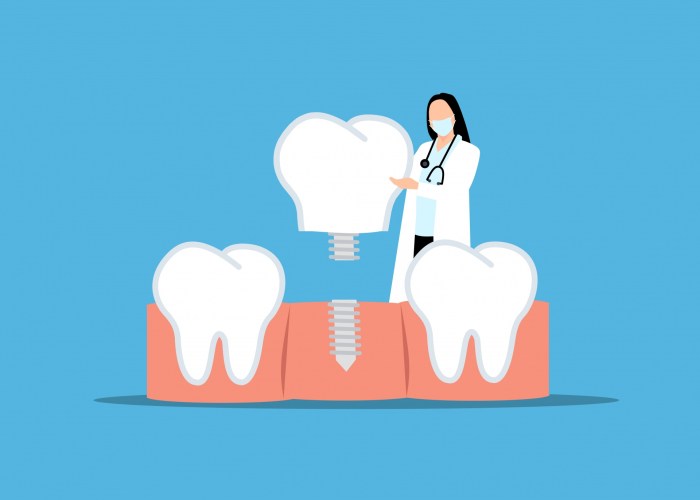
Overview of Dental Implants: Dental Implant Steps Dental implant steps – Dental implants have revolutionized the way we approach tooth replacement. They serve a dual purpose: replacing missing teeth and restoring patient’s confidence in their smile. The benefits of dental implants extend beyond aesthetics; they help maintain jawbone structure and prevent adjacent teeth from shifting. With a success rate of around 95%, they are considered a reliable option for long-term dental restoration.There are primarily three types of dental implants: endosteal, subperiosteal, and zygomatic implants. Endosteal implants are the most common, placed directly into the jawbone, while subperiosteal implants sit on…
-
-
Introduction to Peri-implantitis: Peri Implantitis Treatment Peri implantitis treatment – Peri-implantitis is a significant inflammatory condition affecting the tissues around dental implants. It is characterized by the loss of supporting bone and soft tissue around an implant, which can jeopardize the stability and longevity of the implant itself. Understanding peri-implantitis is crucial for maintaining dental health, as it impacts not only the success of the implant but also the overall well-being of the patient.The prevalence of peri-implantitis is notably concerning, with studies showing that it affects approximately 10-20% of dental implant patients. This condition is not merely a rare complication;…
-
Overview of Dental Implants Dental implants are artificial tooth roots made from biocompatible materials, designed to support replacement teeth or bridges. They play a crucial role in dentistry, providing a permanent solution for individuals who have lost teeth due to injury, disease, or decay. Unlike removable dentures, dental implants integrate with the jawbone, offering stability and enhancing bite function.There are several types of dental implants, including endosteal implants, which are placed directly into the jawbone, and subperiosteal implants, which sit above the jawbone but beneath the gum tissue. Each type serves distinct purposes depending on the patient’s jawbone structure and…