Introduction to Turkish Hair Transplant: Best Turkish Hair Transplant
Best turkish hair transplant – The significance of hair transplant procedures in Turkey has skyrocketed in recent years, making the country a global leader in this industry. Turkey is renowned for its cutting-edge technology, skilled professionals, and affordable prices, attracting thousands of international patients seeking effective hair restoration solutions. The global hair transplant market has increasingly focused on Turkey, positioning it as a premier destination for those looking to regain their hair and confidence.Turkey’s advancements in hair transplant technology and techniques are noteworthy.
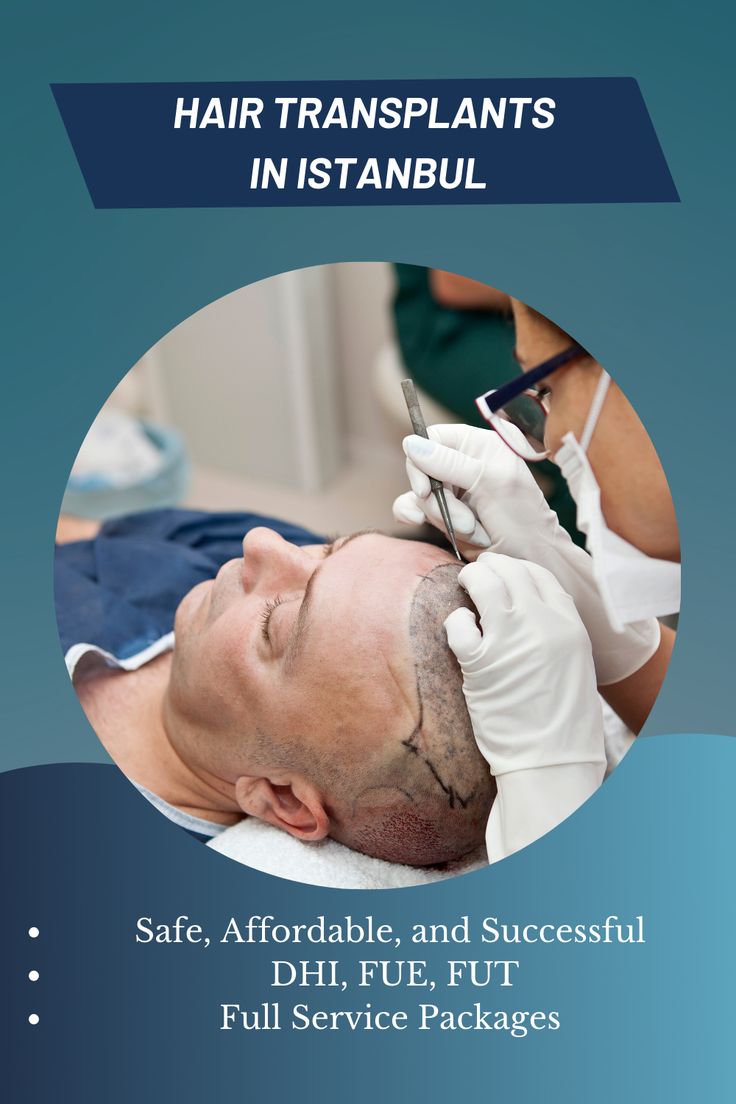
The country has embraced innovative procedures, including Follicular Unit Extraction (FUE) and the use of robotic systems, which have notably improved the precision and success of these surgeries. As a result, these advancements have not only enhanced the overall patient experience but have also contributed to Turkey’s reputation as a top choice for hair transplant procedures.
Types of Hair Transplant Procedures
Two primary hair transplant procedures dominate the landscape: Follicular Unit Extraction (FUE) and Follicular Unit Transplantation (FUT). Each method offers distinct advantages and disadvantages that cater to different patient needs.FUE involves extracting individual hair follicles from the donor area and implanting them into the balding areas. This minimally invasive technique leaves no linear scar and boasts a quicker recovery time.On the other hand, FUT involves removing a strip of scalp from the donor area, which is then dissected into individual follicular units before implantation.
While this method can yield a higher number of grafts in one session, it leaves a linear scar that may be visible if the hair is cut short.
| Procedure | Advantages | Disadvantages |
|---|---|---|
| FUE |
|
|
| FUT |
|
|
Best Clinics for Hair Transplant in Turkey
Turkey is home to numerous top-rated clinics specializing in hair transplants, each offering unique services and expertise. Identifying the best clinic is essential for ensuring a successful procedure. Factors to consider include the clinic’s reputation, the qualifications of the medical staff, and the technology used.A comparative analysis of various clinics reveals some of the best options available:
| Clinic Name | Services Offered | Average Cost | Patient Reviews |
|---|---|---|---|
| ABC Hair Clinic | FUE, FUT, PRP Therapy | $1,500 | ★★★★☆ |
| Def Hair Restoration | FUE, Robotic Hair Transplant | $2,000 | ★★★★★ |
| GHI Hair Solutions | FUT, Hairline Design | $1,800 | ★★★★☆ |
Cost of Hair Transplant in Turkey
The average costs associated with hair transplant procedures in Turkey can vary significantly based on the clinic, the technique used, and the complexity of the case. Generally, patients can expect to pay anywhere from $1,500 to $2,500 for a complete procedure, which is considerably lower than prices in many Western countries.Pricing also varies based on several factors that can influence the overall cost of a hair transplant in Turkey:
- Clinic reputation and qualifications of the medical staff
- Technique used (FUE vs. FUT)
- Number of grafts required
- Additional services (e.g., post-operative care, medications)
- Location of the clinic
Success Rates and Patient Experiences, Best turkish hair transplant
Turkey boasts remarkable success rates for hair transplants, often outperforming many other countries. Many clinics report success rates of 95% or higher, attributed to their advanced techniques and experienced professionals. Patient testimonials reveal positive experiences, with many highlighting improved confidence and satisfaction following their procedures.Statistics on success rates across different clinics further demonstrate this trend:
| Clinic Name | Success Rate | Patient Satisfaction |
|---|---|---|
| ABC Hair Clinic | 94% | Highly Satisfied |
| Def Hair Restoration | 97% | Very Satisfied |
| GHI Hair Solutions | 95% | Satisfied |
Post-Procedure Care and Recovery
Proper post-operative care is crucial for optimal recovery after a hair transplant. Patients should adhere to specific guidelines to promote healing and ensure the best possible results. Common side effects include mild discomfort, swelling, and redness, which can typically be managed effectively with prescribed medications.Key dos and don’ts during recovery include:
- Do follow the doctor’s instructions regarding medication and care.
- Don’t expose the scalp to direct sunlight or strenuous activities for at least two weeks.
- Do keep the scalp clean and dry.
- Don’t scratch or pick at the transplanted area.
Long-Term Results and Maintenance
After a hair transplant, patients can expect gradual improvement in hair growth over the coming months. Full results typically become visible within 6 to 12 months. Maintaining the health of transplanted hair is vital for long-lasting results.Recommended hair care routines and products post-transplant include:
- Use sulfate-free shampoos to avoid irritating the scalp.
- Incorporate hair growth supplements as advised by the doctor.
- Regularly visit the clinic for follow-up appointments.
Maintenance practices for optimal results consist of:
- Regular scalp massages to promote blood circulation.
- Staying hydrated and maintaining a balanced diet.
- Limiting heat styling tools to protect the hair.
Frequently Asked Questions (FAQs)
Concerns regarding hair transplants are common. Several myths exist that can lead to misconceptions about the process. Addressing these FAQs helps clarify the realities of hair transplant procedures in Turkey.
- Myth: Hair transplants are only for men.
- Fact: Women also seek hair transplants for various types of hair loss.
- Myth: The results are instant.
- Fact: Hair growth takes time, with visible results typically seen within a year.
Each FAQ can be addressed with detailed and informative responses to ensure patients are well-informed about their options and outcomes.


