Overview of Hair Transplant Surgery: Best Hair Transplant Surgery
Best hair transplant surgery – Hair transplant surgery is a medical procedure designed to treat hair loss by relocating hair follicles from a donor site to areas experiencing thinning or baldness. This innovative solution has grown in popularity, offering individuals a more permanent answer to hair restoration than topical treatments or medications. The evolution of hair transplant techniques has made it accessible to a wider range of people, contributing to its widespread acceptance.Over the years, hair transplant techniques have significantly advanced.
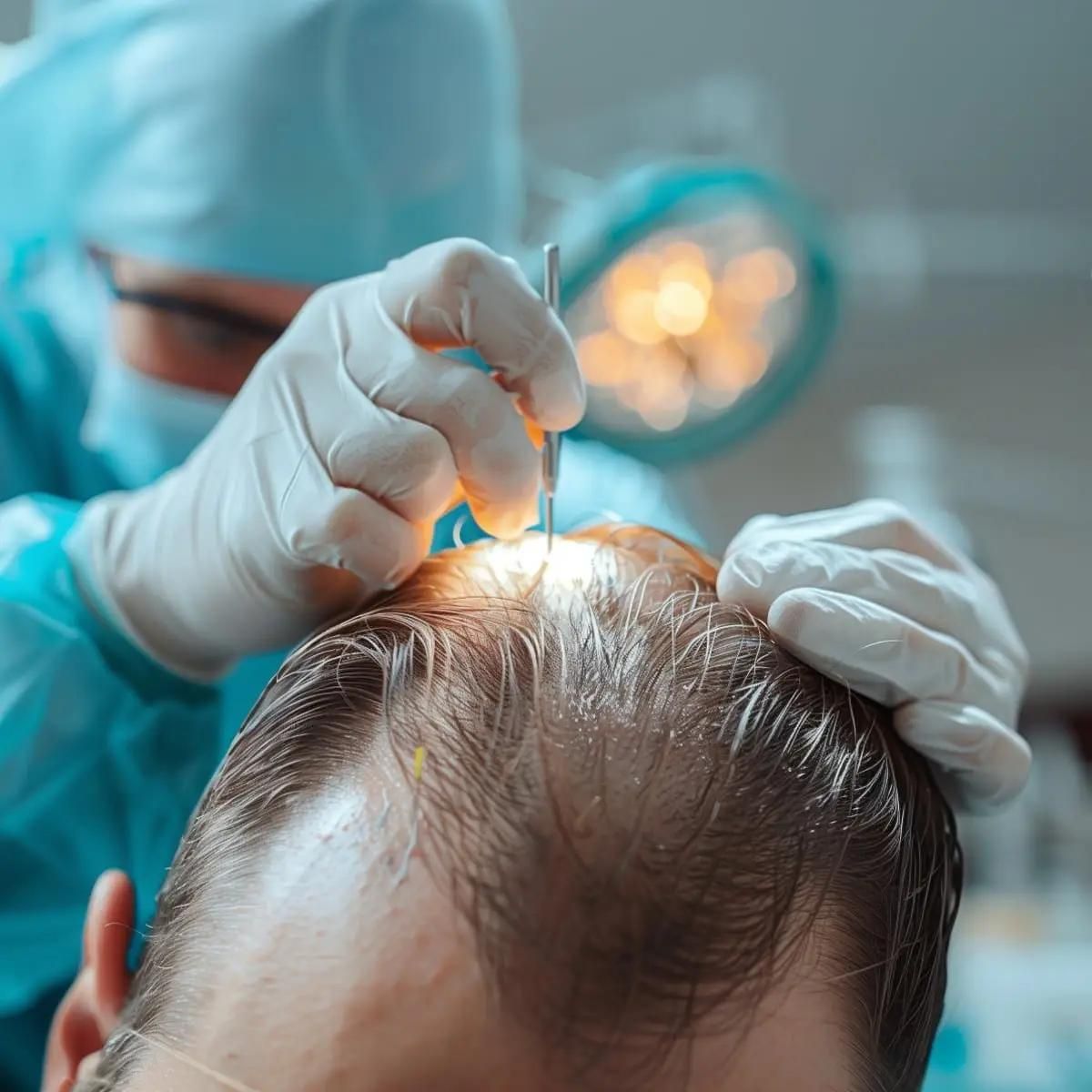
Initially, hair transplantation began in the 1930s, primarily using larger grafts, which often resulted in an unnatural appearance. The techniques have since evolved into more refined methods such as Follicular Unit Extraction (FUE) and Follicular Unit Transplantation (FUT), which yield more natural-looking results. With the combination of technology and artistry, modern hair transplants can provide patients with a fuller head of hair, boosting their confidence and self-esteem.
Types of Hair Transplant Techniques
The two primary techniques of hair transplant surgery are Follicular Unit Extraction (FUE) and Follicular Unit Transplantation (FUT), each with distinct methodologies and outcomes. FUE involves extracting individual hair follicles from the scalp using a specialized tool, which minimizes scarring and recovery time. In contrast, FUT entails removing a strip of tissue containing hair follicles from the donor site, which is then dissected into individual grafts for transplantation.
To better understand these techniques, here’s a comparison table highlighting their key differences:
| Technique | Recovery Time | Average Cost | Results |
|---|---|---|---|
| FUE | 1-2 weeks | $4,000 – $15,000 | Natural appearance, minimal scarring |
| FUT | 2-3 weeks | $3,000 – $10,000 | More noticeable scarring, but dense results |
Factors Influencing the Success of Hair Transplant Surgery
The success of hair transplant surgery is influenced by several critical factors. The surgeon’s experience and expertise play a vital role; skilled professionals can better assess individual needs and apply the most suitable techniques. Additionally, patient preparation is essential for optimal results. This involves following preoperative instructions, including avoiding certain medications and smoking, which can hinder healing. Post-surgery care is equally important, as it affects the recovery process and long-term results.
Benefits of Hair Transplant Surgery
Undergoing hair transplant surgery offers numerous benefits, both physically and emotionally. Individuals often experience a boost in self-esteem and confidence as they regain their hair, leading to improved social interactions and a more positive self-image.In terms of cost-effectiveness, hair transplants can be more economical in the long run compared to ongoing treatments like medications or hairpieces that require continuous purchasing.
Here is a bulleted list of testimonials from individuals who have experienced successful hair transplants:
- “I never thought I would feel this confident again!”
- “The results were astounding; I wish I had done it sooner.”
- “The procedure was less painful than I anticipated, and the staff was amazing.”
Risks and Complications of Hair Transplant Surgery
While hair transplant surgery is generally safe, it does come with potential risks and side effects. Common side effects include swelling, redness, and temporary hair shedding. Recognizing and addressing complications promptly is crucial for effective recovery. Here’s a table illustrating common side effects versus rare complications along with their probabilities:
| Side Effects/Complications | Probability |
|---|---|
| Swelling | Common |
| Redness | Common |
| Infection | Rare |
| Scarring | Rare |
Choosing the Right Clinic and Surgeon, Best hair transplant surgery
Selecting a reputable hair transplant clinic is essential for achieving successful results. When evaluating potential clinics, consider the following checklist of criteria:
- Surgeon’s credentials and experience
- Clinic’s accreditation and reputation
- Before-and-after photos of past patients
- Patient reviews and testimonials
- Availability of post-surgery support
A flowchart can help visualize the steps necessary to assess a surgeon’s credentials and experience, ensuring that patients make informed decisions.
Cost of Hair Transplant Surgery
The costs associated with hair transplant surgery can vary based on several factors, including the technique used and geographical location. On average, patients can expect to pay between $3,000 to $15,000. Financing options are often available, allowing patients to manage the cost more effectively. Below is a table comparing costs across different clinics based on location and technique:
| Clinic Location | Technique | Average Cost |
|---|---|---|
| New York | FUE | $10,000 |
| Los Angeles | FUT | $8,000 |
| Chicago | FUE | $7,000 |
Post-Operative Care and Maintenance
Post-operative care is crucial for promoting healing and ensuring the success of a hair transplant. Essential tips include keeping the scalp clean, avoiding direct sunlight, and adhering to the surgeon’s aftercare instructions. Follow-up appointments are vital for monitoring healing progress and addressing any concerns that may arise. Here’s a bulleted list of dos and don’ts to consider in post-operative hair care:
- Do keep your scalp clean and moisturized.
- Don’t pick at scabs or disturb the grafts.
- Do attend all follow-up appointments.
- Don’t expose your scalp to direct sunlight for extended periods.