Overview of Implant Illness
Implant illness has gained significant attention in the medical community as more patients report health issues linked to various types of implants. This concept encompasses a range of symptoms and conditions that may arise following the placement of medical devices in the body. Understanding implant illness is crucial for both healthcare professionals and patients to navigate potential health risks associated with implants.Common symptoms associated with implant illness can vary, but they often include chronic fatigue, joint pain, and systemic inflammatory responses.
Patients may also experience neurological symptoms such as memory loss or mood swings, which can significantly impact their quality of life. The types of implants most frequently linked to health issues include breast implants, dental implants, and joint replacements.
Causes of Implant Illness
Several biological and chemical factors may trigger implant illness. The materials used in implants can elicit adverse reactions in the body, leading to chronic inflammation or autoimmune responses. Additionally, some patients may be genetically predisposed to react negatively to foreign materials, exacerbating their condition.The body’s immune response plays a significant role in how implant illness manifests. When an implant is introduced, the immune system may perceive it as a threat and initiate a response, which can lead to various health complications.
Environmental factors, such as exposure to toxins or infections, may further contribute to the onset of implant illness, complicating diagnosis and treatment.
Diagnosing Implant Illness
Diagnosing implant illness involves several methods to accurately identify underlying issues related to implants. Healthcare professionals typically rely on a combination of patient history, physical examinations, and diagnostic tests.Common tests and examinations may include:
- Imaging studies (X-rays, MRI, CT scans) to assess the condition of the implant.
- Blood tests to check for inflammation markers and immune response indicators.
- Allergy testing to evaluate potential sensitivities to implant materials.
Patient history and symptom tracking are also vital components of the diagnostic process. Documenting the timeline of symptoms and any changes in health can provide valuable insights for healthcare providers in determining the cause of the illness.
Treatment Options for Implant Illness
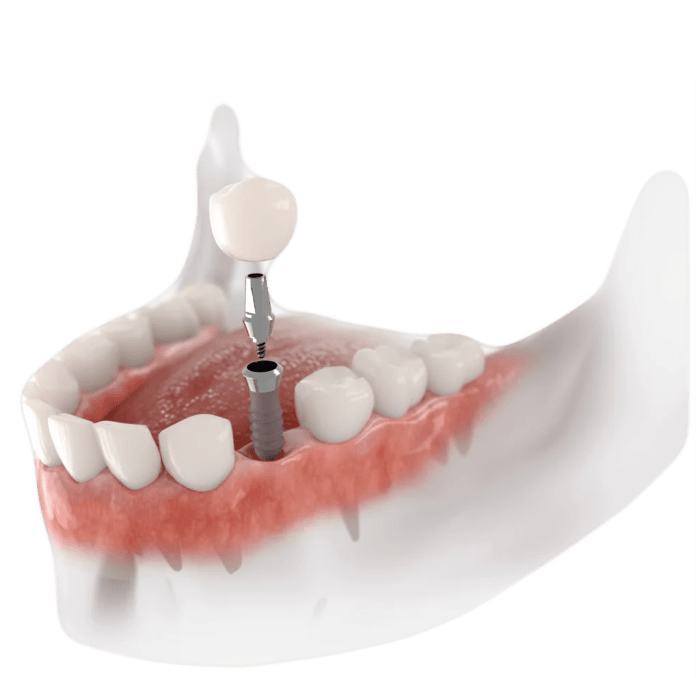
There are various treatment methods available for managing implant illness, depending on the severity and specific symptoms experienced by the patient. Non-invasive options may include pain management through medications or physical therapy to alleviate discomfort.Surgical intervention may be necessary in cases where the implant is causing significant health issues or complications. This could involve removal of the problematic implant or replacement with a safer alternative.
Below is a comparison table of medication options and their effectiveness:
| Medication | Type | Effectiveness |
|---|---|---|
| NSAIDs | Anti-inflammatory | Moderate relief of pain and inflammation |
| Corticosteroids | Anti-inflammatory | Effective for severe inflammation |
| Biologics | Immune-modulating | Targeted treatment for autoimmune responses |
Patient Experiences and Testimonials
Personal narratives from patients who have experienced implant illness reveal the profound impact it can have on their lives. Many individuals describe a struggle with chronic symptoms that often go unrecognized by healthcare providers, leading to feelings of isolation and frustration.Psychological and emotional impacts are significant for those living with implant illness. Patients often report anxiety and depression stemming from their ongoing health challenges.
Common themes in testimonials include:
- Difficulty in getting a proper diagnosis.
- Challenges in finding effective treatment options.
- Support from community groups and online forums for sharing experiences.
Preventative Measures
To minimize the risk of developing implant illness, several recommendations can be beneficial for individuals considering or currently living with implants. Regular check-ups and monitoring are essential to catch potential health issues early.Essential recommendations include:
- Consulting with a knowledgeable healthcare provider before undergoing implant surgery.
- Being aware of potential signs of implant illness, such as unusual pain, swelling, or fatigue.
- Keeping a detailed health journal to track symptoms and changes over time.
A table outlining potential signs of implant illness that patients should be aware of is as follows:
| Sign | Description |
|---|---|
| Pain | Unexplained or worsening pain around the implant site. |
| Swelling | Persistent swelling that doesn’t subside over time. |
| Fatigue | Chronic fatigue not attributed to other conditions. |
Research and Future Directions
Ongoing research efforts are focused on better understanding implant illness and the biological mechanisms involved. Studies are examining how different materials interact with the human body and what factors may predispose individuals to adverse reactions.Emerging trends in the development of safer implant materials are also being explored, with an emphasis on biocompatibility and reduced inflammatory responses. Potential future treatments or preventative strategies involve innovative approaches to design and material science, aiming to enhance patient safety and outcomes in the field of implantology.