Introduction to Healthy Lifestyle Habits
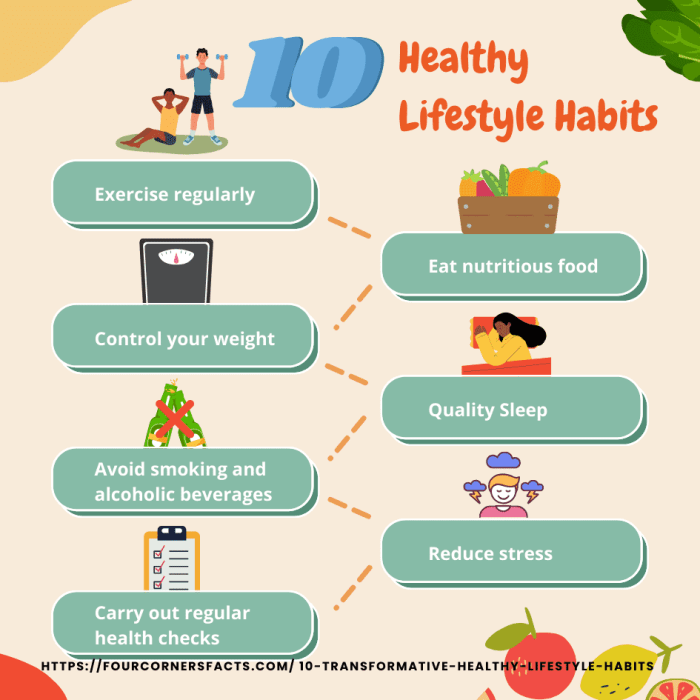
Healthy lifestyle habits encompass a range of practices that promote physical, mental, and emotional well-being. These habits are vital for maintaining overall health, preventing chronic diseases, and enhancing the quality of life. By adopting a healthy lifestyle, individuals can not only improve their physical health but also foster a positive mindset and increase their resilience against stressors. Research indicates that individuals who engage in healthy habits are more likely to experience lower rates of illnesses such as heart disease, diabetes, and depression.
In fact, a study published in the Journal of the American College of Cardiology found that individuals with optimal lifestyle habits could reduce their risk of cardiovascular events by up to 80%.
Nutrition and Diet
A balanced diet is the cornerstone of a healthy lifestyle, incorporating essential nutrients that support bodily functions. Key components of a balanced diet include fruits, vegetables, whole grains, lean proteins, and healthy fats. Each of these food groups plays a significant role in maintaining health. For instance, fruits and vegetables are rich in vitamins and antioxidants, while whole grains provide necessary fiber.To make healthy eating more manageable, meal planning can be an effective strategy.
By preparing meals in advance, individuals can ensure they have nutritious options readily available. This not only reduces the temptation to opt for junk food but also saves time during busy weeks. Additionally, staying hydrated is crucial for overall health. Adults should aim for about 2 to 3 liters of water daily, depending on activity levels and climate conditions. Methods to maintain hydration include carrying a reusable water bottle and setting reminders to drink water throughout the day.
Physical Activity, Healthy lifestyle habits
Engaging in regular physical activity is essential for achieving a healthy lifestyle. Various types of exercises contribute to overall health, including aerobic activities, strength training, and flexibility exercises. Aerobic exercises, such as running, swimming, or cycling, are excellent for cardiovascular health. Strength training, using weights or resistance bands, helps build muscle mass and improve metabolism. Flexibility exercises, like yoga or stretching, promote better mobility and prevent injuries.A well-rounded weekly exercise plan could include:
- Monday: 30 minutes of cardio (jogging or cycling).
- Tuesday: 30 minutes of strength training (focusing on major muscle groups).
- Wednesday: Rest day or light yoga.
- Thursday: 30 minutes of cardio (swimming or brisk walking).
- Friday: 30 minutes of strength training (using bodyweight exercises).
- Saturday: Flexibility day (yoga or Pilates).
- Sunday: Active leisure (hiking or playing a sport).
Incorporating movement into daily routines can also make a significant difference. Simple actions like taking the stairs, walking during breaks, or engaging in household chores can contribute to an active lifestyle.
Mental Health and Well-Being
Mental health is a crucial aspect of living a healthy lifestyle. Techniques for managing stress include practicing regular physical activity, maintaining a balanced diet, and ensuring social connections. Mindfulness and meditation have been shown to enhance mental well-being by promoting relaxation and reducing anxiety. Engaging in these practices helps individuals become more aware of their thoughts and feelings, leading to better emotional regulation.Positive relationships play a significant role in contributing to overall mental well-being.
Surrounding oneself with a supportive network can provide encouragement during difficult times and contribute to a sense of belonging.
Sleep Hygiene
Sleep is an essential component of both physical and mental health. It is during sleep that the body repairs itself and the mind processes daily experiences. Poor sleep quality can lead to a range of health issues, including weakened immune function, weight gain, and increased stress levels. To improve sleep quality, consider implementing these practices:
- Establish a regular sleep schedule by going to bed and waking up at the same time each day.
- Create a relaxing bedtime routine, such as reading or taking a warm bath.
- Limit screen time before bed to reduce exposure to blue light.
- Create a comfortable sleeping environment with a cool, dark, and quiet atmosphere.
Common sleep disorders, such as insomnia and sleep apnea, can significantly impact lifestyle habits, making it crucial to seek professional help if sleep issues persist.
Avoiding Harmful Habits
Certain behaviors can have detrimental effects on health, including smoking and excessive alcohol consumption. These habits not only pose immediate health risks but also lead to long-term consequences, such as chronic diseases and reduced life expectancy. Strategies to quit harmful habits can involve:
- Setting clear goals and timelines for quitting.
- Seeking support from friends, family, or professional counseling.
- Replacing harmful habits with positive activities, such as exercising or pursuing hobbies.
Understanding the long-term consequences of maintaining unhealthy habits can motivate individuals to make necessary changes for a healthier future.
Building a Support System
Social support is vital in maintaining a healthy lifestyle. Having a network of friends and family who encourage healthy choices can significantly enhance motivation and accountability. Creating a supportive environment involves:
- Surrounding oneself with individuals who share similar health goals.
- Participating in group activities, such as fitness classes or cooking workshops.
- Utilizing community resources, such as health clubs or support groups.
Engaging with local community resources can provide additional assistance in adopting and maintaining healthy habits.
Personalization of Healthy Habits
Every individual has unique habits and lifestyles, making it essential to assess personal behaviors and identify areas for improvement. A practical framework for setting achievable health goals involves:
- Defining specific, measurable objectives based on individual needs.
- Creating a timeline to achieve these goals.
- Tracking progress through journals or health apps to celebrate small victories.
Personalizing healthy habits can lead to more sustainable lifestyle changes, ultimately enhancing overall well-being.
Educational Resources
There are numerous resources available to support individuals in their journey towards a healthy lifestyle. Recommended materials include books, websites, and apps focused on nutrition, fitness, and mental health. Benefits of attending workshops or seminars focused on wellness can include:
- Learning from experts in the field.
- Networking with individuals who share similar goals.
- Accessing additional resources and materials to enhance knowledge.
A comprehensive table of community resources can also serve as a valuable tool in promoting health within the community.