Nutrition Basics
Healthy living – A balanced diet is essential for maintaining overall health and well-being. It provides the necessary nutrients that our bodies need to function optimally. A diet rich in a variety of foods ensures we get a mix of vitamins, minerals, proteins, carbohydrates, and fats, all of which play unique roles in supporting bodily functions.The key components of a balanced diet include:
- Proteins: Vital for muscle repair and growth. Examples include lean meats, fish, eggs, beans, and nuts.
- Carbohydrates: The body’s primary energy source. Opt for whole grains, fruits, and vegetables.
- Fats: Important for brain health and hormone production. Healthy fats can be found in avocados, olive oil, and fatty fish.
- Vitamins and Minerals: Support various bodily functions, from immune response to bone health. Leafy greens, fruits, and seeds are great sources.
Hydration also plays a crucial role in health. Water aids in digestion, nutrient absorption, and temperature regulation. To ensure adequate water intake, consider carrying a reusable water bottle throughout the day, setting reminders to drink, or infusing your water with fruits for added flavor.
Physical Activity
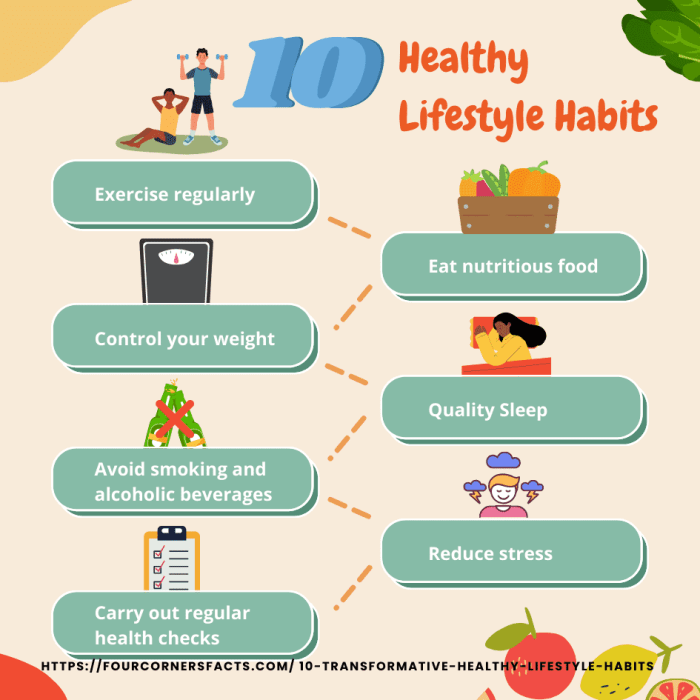
Regular physical activity is vital for maintaining a healthy lifestyle. Different forms of exercise provide various benefits, catering to diverse fitness levels and goals. Engaging in a mix of cardiovascular, strength training, and flexibility exercises can enhance overall fitness.To create a personalized workout plan, consider your fitness goals—whether it’s weight loss, muscle gain, or improving endurance.
- Start with a fitness assessment to understand your current level.
- Incorporate activities you enjoy to stay motivated.
- Aim for at least 150 minutes of moderate aerobic activity or 75 minutes of vigorous activity weekly.
- Include strength training exercises for all major muscle groups on two or more days per week.
Incorporating more movement into daily routines can be as simple as taking stairs instead of elevators, walking or cycling for short trips, or even standing during phone calls.
Mental Health: Healthy Living

The connection between physical health and mental well-being is profound. Regular physical activity not only strengthens the body but also boosts mood and reduces anxiety. Physical health and mental health are interlinked, and caring for one can significantly benefit the other.To manage stress and build emotional resilience, consider the following techniques:
- Mindfulness Meditation: This practice helps in focusing on the present moment, reducing stress levels.
- Regular Exercise: Physical activity releases endorphins, the body’s natural mood lifters.
- Quality Sleep: Sleep plays a vital role in mental health, impacting mood and cognitive functions.
Mindfulness practices, such as deep breathing or yoga, can enhance overall health by promoting relaxation and reducing stress.
Sleep Hygiene
Quality sleep is a cornerstone of health. It affects physical health, mental clarity, and emotional regulation. Poor sleep habits can lead to a myriad of health issues, including obesity, heart disease, and depression.To establish a healthy sleep routine, consider these guidelines:
- Maintain a regular sleep schedule by going to bed and waking up at the same time every day.
- Create a restful sleeping environment—dark, cool, and quiet.
- Avoid screens and stimulants like caffeine and nicotine close to bedtime.
Common sleep disorders, such as insomnia and sleep apnea, can be managed through lifestyle changes or medical interventions. Consulting with a healthcare provider can provide tailored strategies for effective management.
Preventive Healthcare
Routine health screenings play a crucial role in preventive healthcare. They help in early detection of potential health issues before they become serious. Regular check-ups can save lives and reduce healthcare costs over time.Vaccinations are another vital aspect of preventive healthcare. They protect individuals and communities against infectious diseases, contributing to overall public health. Staying current with vaccinations ensures you are defended against preventable illnesses.Making lifestyle changes can help prevent chronic diseases.
Simple modifications such as adopting a balanced diet, engaging in regular physical activity, and avoiding tobacco can significantly lower the risk of conditions like diabetes, heart disease, and cancer.
Healthy Living Myths
There are many myths surrounding healthy eating and living that can mislead individuals. For instance, the misconception that all fats are harmful overlooks the benefits of healthy fats essential for bodily functions. Factual information about healthy living includes:
- Not all carbohydrates are bad; whole grains offer essential nutrients.
- Skipping meals does not promote weight loss; it can lead to overeating later.
- Detox diets are often unnecessary and can be harmful; the body has its own detoxification systems.
Misinformation can significantly impact health choices, leading individuals to adopt unhealthy or ineffective practices.
Community and Support
Social connections are vital for healthy living. A supportive community enhances motivation, accountability, and emotional well-being. Engaging with others can foster a sense of belonging and reduce feelings of isolation.Examples of supportive community resources include:
- Local fitness classes, which provide a sense of camaraderie.
- Support groups for those managing chronic conditions, where sharing experiences can be beneficial.
- Healthy cooking workshops that promote nutritious eating in a fun, engaging environment.
Fostering a supportive environment for wellness involves promoting open communication, encouraging group activities, and celebrating small achievements within the community.
Sustainable Healthy Living
Sustainable eating and living practices contribute not only to personal health but also to the health of the planet. Choosing local and seasonal foods reduces the carbon footprint associated with transportation while supporting local farmers.To reduce waste in the kitchen, follow this guide:
- Plan meals ahead to avoid overbuying and spoilage.
- Implement composting for organic waste.
- Store food properly to extend its lifespan.
The benefits of local and seasonal food choices include fresher produce, enhanced flavor, and improved nutritional content, all while supporting sustainable agricultural practices.